
The Dangers of DIY Pest Control
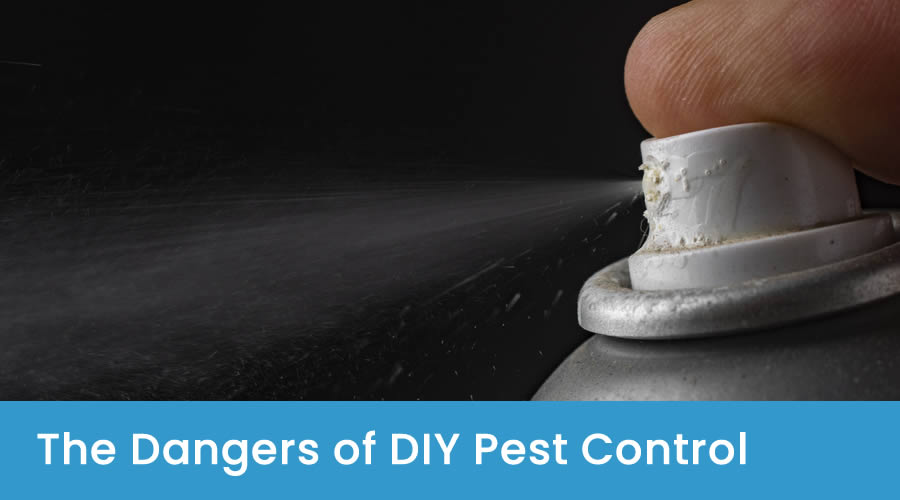
Many homeowners try to handle pest problems on their own. Store-bought sprays, powders, and traps are easy to buy, and DIY pest control can seem like a quick fix. In reality, infestations are rarely simple. Using the wrong method or using the right product the wrong way can create health concerns, waste money, and lead to property damage.
Pests multiply quickly, hide in hard-to-reach areas, and adapt over time. What starts small can become a serious problem for comfort, hygiene, and the condition of the home.
Understanding DIY Pest Control Solutions
DIY pest control usually involves retail products such as aerosols, baits, powders, and traps. These tools may reduce what you see, but they often miss the source.
Many pests live and breed out of sight, inside wall cavities, roof spaces, under flooring, or within timber. Without correct identification and a careful inspection, DIY efforts often focus on symptoms instead of the cause, allowing hidden damage to continue.
Why Pest Infestations Are Hard to Eliminate
Household pests can be difficult to remove because they hide well, reproduce fast, and change their behaviour when disturbed.
Cockroaches and rodents often avoid danger once they sense it. Others remain hidden for long periods, which makes it easy to underestimate how widespread the outbreak is.
The Hazards of DIY Pest Management
DIY approaches may seem harmless at first, but issues often grow when people repeat products, combine methods, or apply pesticides too often.
1. Ineffective Results
DIY methods usually target pests you can see, not the nest or colony producing them.
Sprays may kill a few cockroaches on surfaces, but the nest behind walls remains active. Ants may scatter after use, but the colony continues underground. Rodents often avoid traps if placement is poor or food sources remain available.
Because breeding continues out of sight, the pest issue often returns and may cause further damage over time. That leads to repeated attempts and rising costs.
2. Health Risks from Chemical Exposure
One of the potential risks with DIY pest control is unsafe chemical use and contact with pest-contaminated areas. Problems increase when products are applied too often, used in small enclosed rooms, or left where children and pets can reach them.
Breathing fumes can cause headaches, coughing, nausea, or breathing irritation. Skin contact may lead to rashes or burns. Poor storage also increases the chance of accidents.
Pests themselves can also spread illness. Cockroaches can contaminate food and surfaces. Rodents spread disease through urine, droppings, and nesting materials. Cleaning those areas without protective gear increases exposure to harmful germs and allergens.
3. Resistance and Common Mistakes
When pests survive low-strength products or incorrect use, they can become harder to control. This is why professional expertise makes a difference.
Using the wrong product, applying too little, or treating only visible areas allows survivors to reproduce. Over time, the pest population becomes tougher and more difficult to remove, which increases long-term risk and frustration. Even a single mistake can create ongoing issues.
4. Fire and Household Safety Dangers
DIY pest control can create hazards that homeowners don’t expect. Keeping the home safe should be the priority.
Overusing aerosol products can increase flammable vapours indoors. Storing harmful chemicals near heat sources or keeping containers unsealed increases the chance of leaks and accidental ignition.
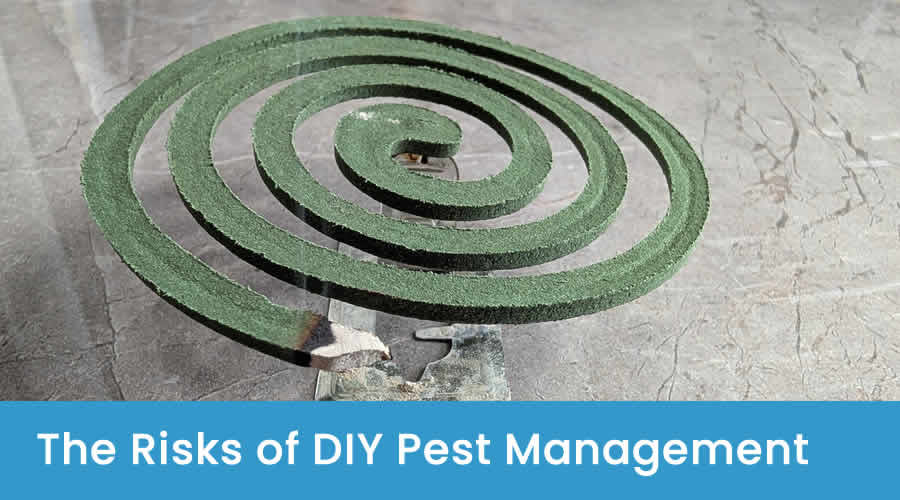
Traps placed in walkways can injure children and pets. Some plug-in devices may also create electrical concerns if used near moisture or left unattended.
5. Structural Damage and Costly Repairs
Certain pests cause structural damage that DIY methods rarely stop, especially when activity is hidden inside the home.
DIY termite control is rarely effective because surface products cannot reach the colony. Termites can remain active inside timber for long periods before visible signs appear. By the time homeowners notice the issue, the damage may already be expensive to repair.
Rodents can also harm insulation, pipes, and wiring, increasing the chance of electrical damage and fire hazards.
6. Environmental Impact of DIY Pest Control Products
Improper pesticide use can affect more than the pests you want to remove.
Outdoor applications may affect pets, gardens, and beneficial insects like bees. Runoff can also reach drains and waterways, which affects the surrounding environment.
7. Stress, Cost, and Ongoing Frustration
DIY pest control can become a cycle of repeat spending and constant worry. When pests keep returning, households often deal with disrupted sleep, anxiety, and frustration. This can be hard on the family.
Repeated purchases add up quickly, and the problem may still grow behind walls or in roof spaces.
Advantages of Professional Pest Control Services
Calling professionals helps because the process is based on inspection, correct identification, and targeted methods. This improves safety and results while reducing the guesswork.
A commercial pest control is often more reliable for persistent activity.
Licenced technicians use tools and products that are not available to the public, and they apply them carefully. They also focus on entry points, nesting zones, and prevention steps that support long-term control.
Many effective treatment services include follow-up visits or warranties, which adds reassurance.
When to Call the Experts
DIY methods may be fine for a very small issue, but expert help is recommended when the infestation continues.
Contact a licensed service if you notice:
- termite mud tubes or hollow-sounding timber
- droppings, gnaw marks, or scratching sounds
- ants or cockroaches returning after repeated attempts
- bites during sleep (possible bed bugs)
- ongoing activity despite multiple products
Acting early reduces long-term costs and protects the home.
Conclusion: The Hidden Dangers of DIY Pest Control
DIY pest control may look simple, but it often creates bigger problems. It can fail to remove the source, increase health risks, and allow pests to return. In many cases, it also leads to costly damage and ongoing stress.
Choosing trained professionals is safer and more effective for persistent infestations. The integrated pest management approach protects your household, peace of mind, and supports long-term prevention.

Leave A Comment
You must be logged in to post a comment.