
How To Prevent Pests at Home
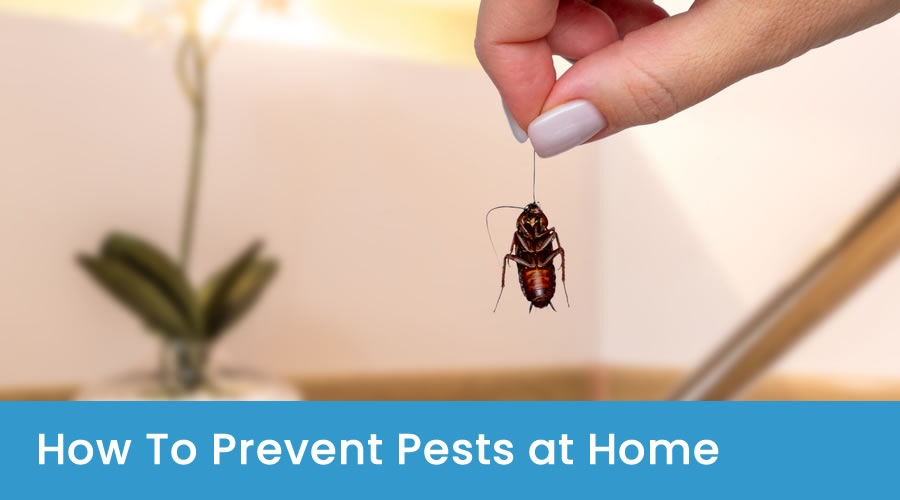
Pest prevention protects health and property. Insects and rodents spread disease, contaminate food, and damage structures. Infestations also increase costs for treatment and repairs. Stopping common household pests is more effective than removing them once they are established.
Many homeowners face serious pest problems each year, making protective measures essential.
Regular cleaning is essential for preventing pests. A well-maintained environment improves overall cleanliness and makes your home less attractive to bugs.
This guide explains clear steps to keep your home pest-free. You will learn how to remove food sources, seal up any holes and gaps in your walls, improve ventilation, and maintain a clean environment using efficient methods.
Effective Pest Prevention Tips | Home Pest Control
1. Remove Food and Water Sources
Cutting off access makes your home less appealing. You should remove or securely cover all sources of food, water and shelter to reduce the potential risk of infestation in your home. Leaving scraps and moisture inside your house can quickly create a breeding ground for pests, including cockroach and rodent activity.
Clean surfaces after meals
Wipe down benches, tables, and stovetops. Small food particles are enough for pests.
Store food properly
Place cereals, rice, sugar, and pet food in airtight containers. Do not keep them in open packets.
Manage waste
Use bins with secure lids. Empty bins daily or when two-thirds full. Wash bins regularly to remove odours and dispose of food scraps promptly.
Fix leaks and remove standing water
Repair leaking taps and pipes under sinks and in bathrooms. Empty trays under refrigerators and air conditioners. Do not leave buckets or pet bowls full overnight, and ensure damp areas are dried completely.
Avoid overnight exposure
Do not leave dirty dishes in sinks. Clear plates and bowls immediately.
| Problem | Solution | Benefit |
|---|---|---|
| Food crumbs on floor | Sweep and vacuum daily | Removes food source for ants and roaches |
| Open packaging | Airtight containers | Blocks pest access and reduces odours |
| Overflowing bins | Empty and clean regularly | Stops flies, rats, and cockroaches |
| Leaks under sink | Repair and dry area | Eliminates moisture needed by pests |
2. Seal Entry Points
Pests enter through cracks, gaps, and holes. Even small spaces are enough for rats and mice.
Check walls, doors, and windows
Inspect frames, skirting boards, roof, and foundations for visible gaps.
Seal cracks and crevices
Apply caulk correctly to small openings. Use wire mesh or steel wool for larger spaces around pipes and vents as part of a thorough proofing approach.
Reinforce doors
Install door sweeps and weather stripping to create barriers to block crawling pests.
Protect windows and vents
Add fine mesh screens to prevent flies, mosquitoes, and other unwanted guests.
Inspect your home regularly
Check at least once per season, especially after heavy rain or building repairs.
3. Keep Homes Clean and Clutter-Free
Excess stored items and dirt create shelter and nesting areas. A tidy home offers fewer hiding places and reduces the indoor habitat that pests rely on for survival. To effectively remove places where pests can breed, focus on reducing mess and eliminating hidden nesting areas.
Vacuum carpets and rugs
Pay attention to edges, corners, and under furniture.
Mop hard floors
Remove grease, food residue, and spills that attract creepy crawlies in the kitchen and other areas.
Organise storage
Do not stack newspapers, cardboard, or unused boxes. Pests breed in paper and cardboard.
Maintain outdoor areas
Trim bushes and trees touching walls or roofs. Clear gutters and debris to stop water pooling during summer and other warm seasons.
Firewood and waste storage
Keep wood piles and garden waste at least one metre away from the house.
4. Use Natural Repellents in your House
Natural repellent can discourage pests without chemicals. They are suitable for keeping pests away. Some households may also use non-toxic baits as part of a broader deterrence strategy.
Common options:
- Peppermint oil. Mix with water and spray along baseboards to repel ants and spiders.
- Citrus peels. Place near entry point and in cupboards to deter cockroaches.
- Eucalyptus oil. Use in a spray to keep flies away from windows and doors.
- Vinegar spray. Wipe benches and sinks to disrupt ant trails.
- Cedar chips. Place in storage areas to reduce moths and silverfish.
5. Monitor and Act Early for Pest Infestations
Pest activity can grow quickly. Monitoring and early detection prevents damage and health risks.
Use sticky traps
Place traps in dark areas such as behind fridges and under sinks.
Inspect cupboards
Check for droppings, gnaw marks, or insect skins.
Check bedding and furniture
Look for signs of bed bugs, especially after travel.
Observe outdoor areas
Watch for termite mud tubes, wasp nests, or ant colonies near foundations, as these may indicate a developing termite infestation or other structural risk.
Respond quickly
Do not ignore small signs. Early action allows you to implement solutions before larger outbreaks occur and ensures household safety.
6. Seek Professional Help
Some pests require expert removal. Termites, bed bugs, and wasps are dangerous and difficult to eliminate without training.
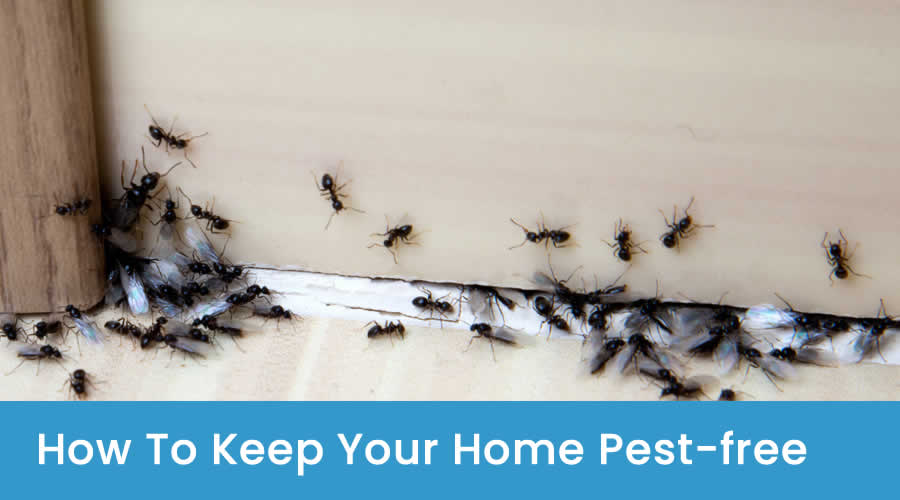
Benefits of professional pest control services:
- Accurate identification. Professionals identify the pest type and extent of the problem.
- Targeted treatment. Safe use of pesticides or heat treatments ensures effective results.
- Long-term defense. Experts provide maintenance plans, barrier systems, or regular inspection programs.
- Health protection. Trained technicians handle dangerous pests, reducing risk of bites, stings, or exposure to chemicals.
Conclusion
Controlling and preventing common pests requires consistent effort. Remove food and water, block entry points, and maintain clean surroundings indoors. Use natural repellents where suitable and inspect regularly. Call pest management professionals if problems persist or involve high-risk pests.
A clean, well-sealed, and monitored home is the best defence against infestations. Preventative measures improve protection, reduce costs, safeguard health, and ensure a safer living space.

Leave A Comment
You must be logged in to post a comment.