
Guide to Pest Control Canberra
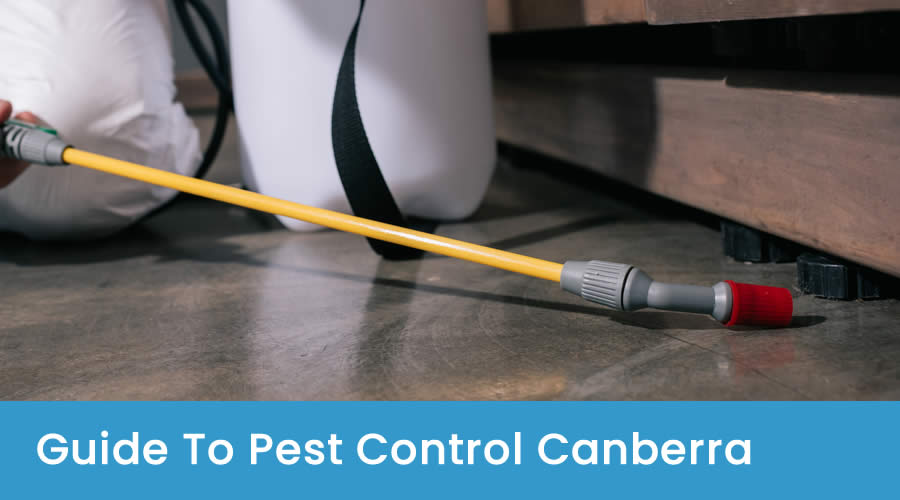
Canberra has many pest problems. The hot summers, cold winters, and bushland areas make it easy for pests to survive. Termites, ants, spiders, rodents, cockroaches, and fleas are common.
Pests damage homes and spread disease. They lower hygiene and make living uncomfortable. Pest control reduces these risks. It removes pests and stops them from coming back.
This guide explains pest control in Canberra. It covers inspections, services, common pests, termite control, treatment steps, costs, and prevention.
What is Pest Control?
Pest control is the process of managing insects, rodents, and other unwanted animals. It protects health, food, and property.
Control can use chemicals, baits, traps, or barriers. It also involves cleaning and blocking pest entry points. In Canberra, pest management is important for both homes and businesses.
Why is Pest Control Important?
Pests are more than an annoyance. They create serious risks:
- Health: Rodents and cockroaches spread disease.
- Property: Termites destroy timber. Rats chew wires.
- Food safety: Ants and flies contaminate food.
- Law: Businesses must meet health rules.
- Comfort: A pest-free space improves living and working conditions.
Benefits of Pest Control
- Offers expert solutions.
- Provides long-term safety.
- Reduces health risks.
- Prevents costly damage.
- Improves hygiene.
Pest Control Services in Canberra
Pest Inspections
Inspections are the first step in pest control. A licensed technician checks the home or workplace. They look inside, outside, and around roof spaces, under floors, and gardens.
They search for nests, droppings, tracks, or damage. Tools such as moisture meters and thermal imaging help detect termites.
The inspector gives a report with results and advice. Annual inspections are vital in Canberra, where termite risk is high.
Residential Pest Control
Home services focus on protecting families and property. Treatments target ants, spiders, cockroaches, rodents, and more.
The process starts with an inspection. The technician applies sprays, baits, or dusts to problem areas. Entry points are sealed if possible. Safe products are used around children and pets.
Ongoing treatments may be suggested in high-risk areas, such as homes near bushland.
Commercial Pest Control
Workplaces need strict pest control. Pests can damage stock, contaminate food, and hurt a business’s reputation.
Commercial services begin with a site survey. A plan is made based on the risks of the site. Treatments may be monthly or quarterly. Food businesses often need strict programs to meet health laws.
Reports are provided to show compliance. Regular checks help avoid shutdowns and fines.
Pest Control for Common Pests in Canberra
Cockroach Control
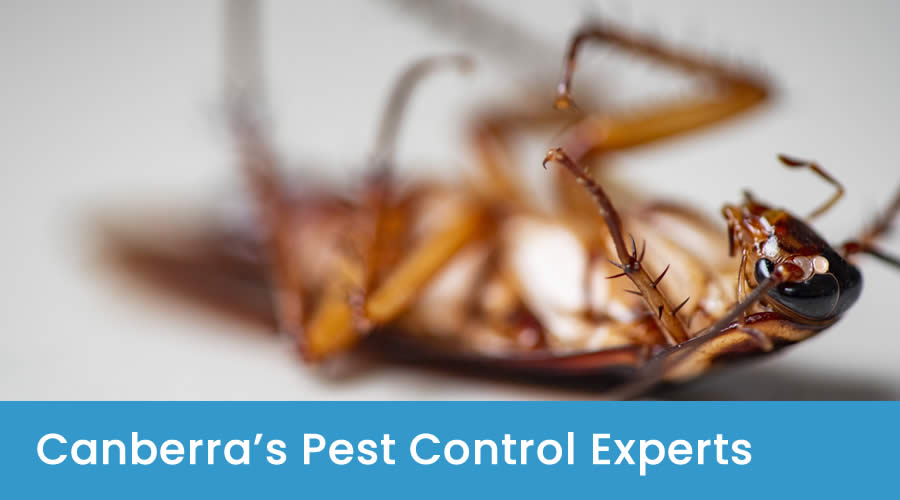
Cockroaches live in warm, damp areas. They spread bacteria and contaminate kitchens and bathrooms. German cockroaches are common indoors. American and Oriental cockroaches live in drains and basements.
Control uses gel baits, dusts, and sprays. Hygiene is important to stop them returning. Food scraps and grease must be cleaned, and bins kept sealed.
Ant Control
Ants nest in gardens, walls, and driveways. Indoors, they invade kitchens for food. Black House Ants, Argentine Ants, and Bulldog Ants are found in Canberra.
Professionals use baits that worker ants carry back to the nest. This removes the colony. Sprays may also be used around doors and windows. Sealing cracks and storing food properly helps prevent infestations.
Spider Control
Spiders often live in sheds, gardens, and corners of homes. Huntsman spiders are common but mostly harmless. Redbacks and White-tails pose health risks.
Control involves spraying around fences, eaves, and windows. Dusting is used in roof spaces. Removing webs and reducing outdoor clutter lowers spider numbers.
Flea Control
Fleas bite people and pets, causing itching. They hide in carpets, bedding, and furniture. Cat fleas and dog fleas are the most common.
Treatments include insect growth regulators and sprays. Vacuuming and hot washing bedding are also needed. Pets must receive flea treatments from a vet to stop the cycle.
Bird Control
Birds such as pigeons, starlings, and mynas nest in roofs and ledges. Droppings damage surfaces and spread disease.
Control uses spikes, netting, or deterrent systems. Large infestations may need cleaning before systems are installed. Keeping food waste secure also helps.
Bed Bug Removal
Bed bugs hide in mattresses, bed frames, and furniture. They feed at night and spread through luggage or second-hand furniture.
Heat treatment and steam cleaning are common solutions. Residual sprays may be used. Mattress covers help prevent re-infestation. Checking luggage after travel reduces risk.
Wasp Removal
European wasps are common in Canberra. They are aggressive and sting when disturbed. Paper wasps are also present but less harmful.
Control involves applying dust or sprays to nests before safe removal. Attempting to remove nests without protection is dangerous. Keeping outdoor bins closed reduces attraction.
Bee Control
Bees are important pollinators but can be a hazard near homes. European honey bees are most common in Canberra.
Where possible, hives are relocated by professionals or beekeepers. Chemical control is only used if relocation is not safe. Property owners should not block hives themselves.
Silverfish Control
Silverfish damage books, clothing, and paper. They thrive in dark, humid areas like bathrooms and storage rooms.
Control uses sprays and dusts. Ventilation and dehumidifiers make conditions less suitable for them. Storing items in sealed containers also helps.
Rodent Control
Rats and mice enter homes during cold months. They contaminate food, chew wires, and spread disease. House mice, roof rats, and Norway rats are the main species in Canberra.
Control uses bait stations, traps, and sealing of gaps. Technicians locate nests and block entry points. Good waste control and sanitation reduce reinfestation.
Tick Removal
Ticks live in bushland and attach to pets and people. Paralysis ticks are the most dangerous. They can cause illness or death in pets.
Control includes spraying yards and keeping grass short. Pets should use tick prevention treatments. Regular checks after outdoor activity are important.
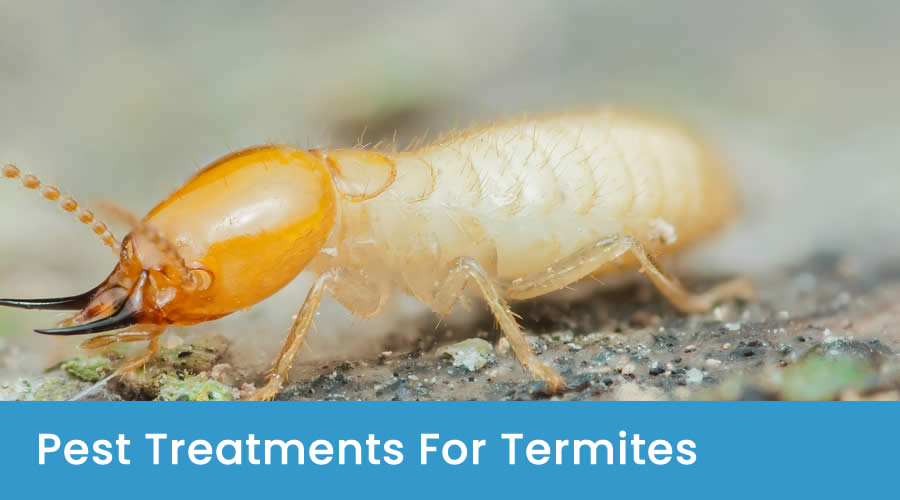
Termite Control in Canberra
Termite Inspections
Inspectors check all timber, roof spaces, and subfloors. Tools like thermal imaging and moisture meters help locate hidden nests. Annual checks are recommended.
Termite Barriers
Chemical barriers are applied to soil around a property. They kill termites that enter. Physical barriers, such as mesh and membranes, are often installed during construction. They block termites permanently.
Termite Baiting and Dusting
Bait stations are placed in soil around the building. Termites eat poisoned bait and spread it to the colony. Dusting applies powder into termite tunnels, which also spreads through the nest. Both methods target the entire colony.
Professional Pest Control Process
1. Inspection
The first step is a full inspection of the property. The technician checks inside and outside, including roof spaces, under floors, and gardens. Signs such as droppings, nests, chew marks, or tracks are recorded. For termites, tools like moisture meters and thermal cameras may be used. The goal is to locate all pest activity before treatment begins.
2. Identification
The technician identifies the exact pest species and the size of the problem. Correct identification is important because each pest requires a different method. For example, technicians treat a German cockroach infestation differently from American cockroaches, and they use separate control methods for termites compared to ants. They also conduct a risk assessment, noting areas most at risk of damage or health impact.
3. Treatment Plan
A tailored plan is created based on inspection results. The plan outlines which methods will be used, where they will be applied, and what products are suitable. For homes, safety around children and pets is considered. For businesses, the plan ensures compliance with workplace and health laws. The plan may include a single treatment or a program of ongoing visits.
4. Preparation
Before treatment, the property must be prepared. Seal or cover food, secure pets, and clear access areas for the technician. In some cases, residents may be asked to leave the property during treatment, especially when strong pesticides are applied. Preparation ensures safety and allows the treatment to be more effective.
5. Treatment Application
The technician applies the chosen treatments. This may include sprays around walls, floors, and garden areas, gel baits in kitchens, dusting roof voids, or installing bait stations outside. Traps may also be set for rodents. For termites, soil barriers or bait systems may be used. All treatments are targeted to reduce risks and increase effectiveness.
6. Evaluation
After treatment, the technician checks how well it worked. They may inspect bait stations, monitor traps, or re-check treated areas. If activity is still present, follow-up treatments may be scheduled. Evaluation ensures that the infestation is fully controlled and not just reduced temporarily.
7. Follow-up and Prevention
The last step is ongoing protection. The technician may recommend regular inspections, especially in termite-prone areas. They might suggest sealing entry points, improving sanitation, or reducing moisture problems. Some businesses require monthly visits for monitoring. This step ensures pests do not return and the property remains protected.
Pesticides
What are Pesticides?
Pesticides are products that kill or control pests. They are used as sprays, dusts, baits, or barriers.
Common Pesticides in Australia
- Pyrethroids – Quick-acting insecticides.
- Fipronil – Works against termites, ants, and cockroaches.
- Boric acid – Common in baits.
- Insect growth regulators – Stop insects from growing to adults.
DIY Pest Control vs Professional
| Aspect | DIY | Professional Pest Control |
|---|---|---|
| Cost | Lower | Higher |
| Knowledge | Limited | Expert |
| Products | Retail | Commercial |
| Effectiveness | Short-term | Long-term |
| Safety | Higher risk | Safe and regulated |
| Best for | Small pest problems | Large or repeat infestations |
Pest Control Costs in Canberra
- General pest treatment: $150 – $350
- Cockroach treatment: $150 – $300
- Ant treatment: $150 – $280
- Spider treatment: $160 – $300
- Rodent control: $200 – $400
- Flea treatment: $150 – $300
- Bird control: $300 – $600+
- Bed bug treatment: $300 – $700+
- Termite inspection: $200 – $350
- Termite barrier: $2,000 – $4,000+
Canberra Overview
Canberra’s climate allows pests to survive through all seasons. Hot and dry summers increase termite activity, while the cold winters drive rodents indoors. Ants, spiders, cockroaches, and fleas remain common across the suburbs, creating a need for regular pest control.
Belconnen is a large district with lakeside suburbs. The mix of older homes and gardens makes it prone to termite problems and regular ant infestations. Gungahlin has rapid housing growth, and new construction often attracts pests such as ants and spiders during soil and building disturbance.
The Inner North contains many older homes surrounded by established trees and gardens. These conditions increase termite risk. Leafy streets and large gardens make the Inner South well known and attract ants, spiders, and birds.
Tuggeranong sits close to bushland, and this environment makes rodents, possums, and spiders more common. Weston Creek has family homes where termite pressure remains high due to soil conditions. Woden Valley includes both high-density apartments and detached homes, with cockroaches and rodents often found in kitchens and shared spaces.
Overall, Canberra’s suburbs each face unique pest challenges, but all benefit from regular inspections and treatments.
Conclusion
Pests in Canberra create risks for homes and businesses. Termites, ants, cockroaches, spiders, rodents, fleas, and birds are the most common.
Pest control protects health, stops property damage, and improves hygiene. Homeowners and businesses need inspections, treatments, and prevention systems for long-term results.
Professional pest control provides safe and effective solutions. While costs vary, prevention is cheaper than repairs. Regular services keep Canberra homes and workplaces safe, clean, and pest-free.
