Guide to Eco-friendly Pest Control
A Simple, Safer Way to Protect Your Home
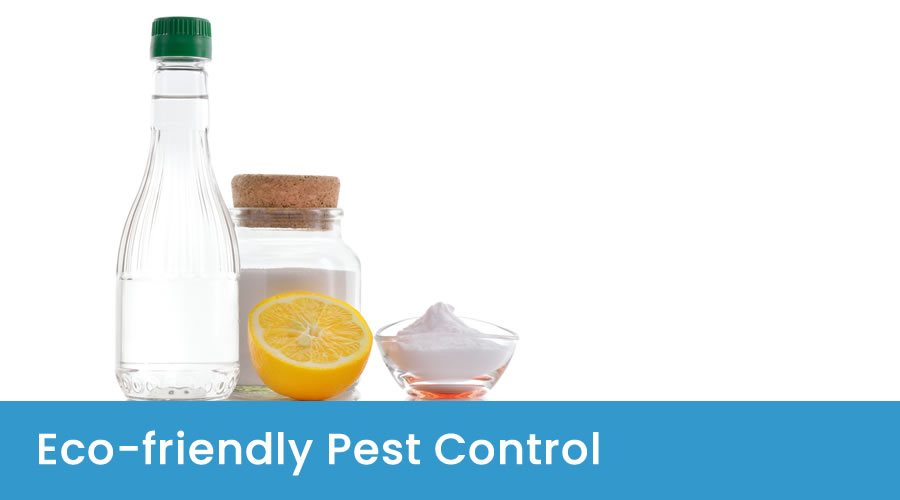
Pests can make your home feel stressful fast. If you’re here, you probably want the same thing most people want: a solution that works, but feels safer for your family, pets, and space.
This guide to eco-friendly pest control covers both practices and products, so you can deter pest infestation first and treat only when needed. You’ll learn simple steps, natural repellents, and low-tox options that fit real life, without going overboard.
What eco-friendly pest management really means
Environmentally friendly pest control is a safer approach to managing pest populations using prevention, targeted action, and low-tox choices.
Here’s a key idea many top resources repeat because it’s true: “Eco friendly pest control uses little to no chemicals in its formula.” That doesn’t mean “zero risk,” though. Even natural options can irritate skin, eyes, or lungs if used the wrong way. So the goal is simple, use the least risky option that still gets the job done.
Benefits of eco-friendly pest control solutions
Non-toxic pest control can feel better in everyday life. Less harsh smell. Less worry around kids and pets. And less stress about what ends up on floors and counters.
It also helps long-term. When you remove what pests need, they stop returning. That’s the real win.
Prevention tips without chemical pesticides
If pests keep showing up, there’s usually a reason. Food, water, shelter, or an easy way in. Effective pest management with no harmful chemicals starts by taking those away.
And yes, it can be as simple as this line:
Remove Food and Water Sources
Keep counters and floors free of crumbs. Store food supply in sealed containers. Don’t let trash sit too long. You don’t need perfection. You just need consistency.
Moisture keeps pests alive. Fix leaks under sinks. Dry sinks before bed. Don’t leave wet sponges or cloths sitting out overnight. This step is huge, especially for roaches and ants.
Block entry points
Check cracks around windows, gaps under doors, and openings around pipes. Seal what you can. When you cut off access, you stop the problem before it starts.
Use physical barriers (netting and screens)
This is one of the cleanest eco-friendly pest control moves because it doesn’t rely on sprays. Use window screens and door sweeps in the home. In the garden, use netting to protect plants and reduce insect damage.
Reduce hiding spots
Clutter creates hiding places. So does stacked cardboard and crowded storage. Open up tight spaces when you can, especially along walls and in cabinets.
Support biological control (natural predators and beneficial insects)
If you garden, biological control is a smart option. Helpful insects like ladybugs can reduce pests like aphids, and other beneficial species can keep problem populations from exploding.
You can also support soil-based helpers. For example, beneficial nematodes are often used outdoors to help reduce certain garden pests in the ground without relying on harsh treatments.
Plant a Mini Bug-Repelling Garden
This is a natural prevention step that many people forget. You can have this near entrances, patios, or garden beds to help discourage many pests. Choose plants known for strong scents and pest resistance, such as basil, rosemary, mint (keep it contained), lemongrass, marigolds, and lavender. It won’t replace other steps, but it can reduce pest pressure in a gentle way.
Natural pest control methods that work in real life
Eco-friendly pest control works best when it stays focused. You don’t treat your whole home for a problem that’s happening in one spot.
Humane traps are a smart starting point. They reduce pests and show you where activity is highest. Then, if you need to treat, use targeted options where specific pests travel and hide, not everywhere.
Common pests and the eco-friendly way to handle them
Ants
Ants follow scent trails. Clean trails with soap and water, then seal entry points. If ants keep returning, targeted bait can work better than sprays because it can reduce the colony over time.
Cockroaches
Roaches need food, water, and hiding places. Remove water first. Fix leaks. Keep sinks dry at night. Clean hidden areas like under appliances. Traps help you find hotspots. Then use low-tox products in cracks and gaps where roaches actually move.
Mosquitoes
Mosquito control is mostly about water. Dump standing water often and check gutters and plant trays. Fans help too, because mosquitoes struggle with strong airflow.
Rodents
Rodents squeeze through tiny openings. Seal gaps, store food well, and keep trash closed. Use traps and baits instead of poison when possible, since poison can risk pets and wildlife.
Termites and timber pests
Termites can cause serious damage, so perimeter protection matters. Focus on moisture control and early detection. Keep wood away from soil, fix leaks fast, and maintain airflow in damp areas.
If your home has wood structures, it helps to think in this exact way: “sustainable and eco-friendly methods to prevent timber pests.” That means sealing entry points, reducing moisture, using physical barriers where possible, and choosing targeted professional solutions if needed, rather than broad chemical spraying.
How to choose eco-friendly pest control products
This part matters because labels can be confusing. “Natural” doesn’t always mean safe, and “safe” doesn’t always mean effective.
For organic pest control, look for products that clearly say which pest they treat and exactly how to use them. Follow directions closely. And avoid using more than you need. Eco-friendly pest control isn’t about stronger doses; it’s about smarter placement, and choosing options with lower environmental impact when possible.
If you have kids, pets, asthma, or strong allergies at home, choose low-odor options and keep treatments contained. Good airflow helps, too.
Natural repellents and home treatments
These are usually household items or natural ingredients people use to discourage pests. They can help a lot, especially when paired with exclusion techniques. Most repellents work best as support, not as the only solution.
Coffee grounds
Coffee grounds may discourage some pests outdoors because of the strong smell. Use them lightly around garden areas and replace them often. Don’t let them sit wet and moldy.
Essential oils
Some essential oils can act as mild natural repellents. Peppermint and citronella are common picks. Always dilute them properly and test a small spot first. Be careful with pets, especially cats, since certain oils can be harmful.
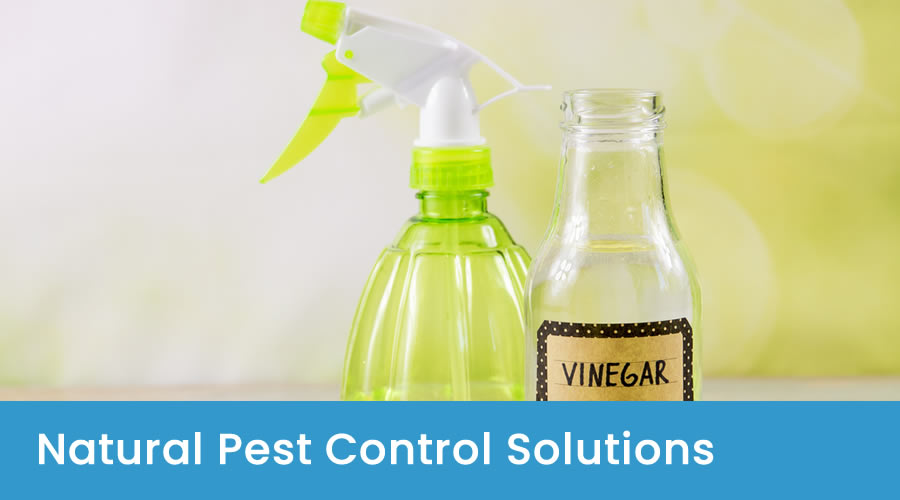
Vinegar spray
A vinegar-and-water mix can help with ants and some crawling pests by disrupting scent trails. Use it on safe surfaces and avoid natural stone, since vinegar can damage it. It works best when you also seal entry points.
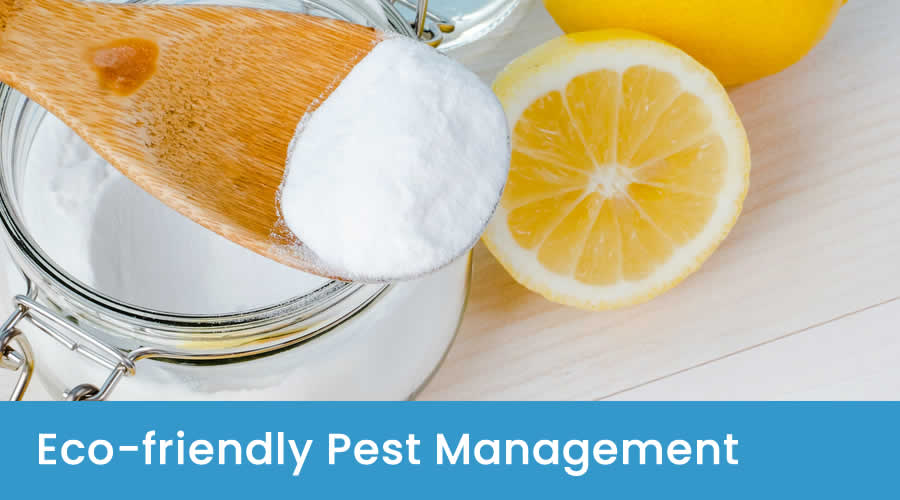
Citrus peels or citrus-based sprays
Citrus scents may help discourage some pests in small areas. You can place fresh peels near entry points for short-term help, or use a citrus-based cleaner on common trails. Some people also use citrus oil (properly diluted) as part of natural repellent routines, especially for spot treatment in low-traffic areas.
Spices with strong scent (like cinnamon or clove)
Some people use cinnamon or clove in small amounts along pest paths to discourage ants. Keep it dry, keep it light, and keep it out of reach of kids and pets.
Cedar (chips or cedar oil products)
Cedar is often used to discourage certain insects in closets, storage bins, and drawers. It’s more of a “keep them away” tool than a “kill them” tool, but it can support eco-friendly pest control in low-risk areas.
Beer traps
Beer traps are mainly for slugs and snails outdoors. Place a shallow container where pests are active and refresh it as needed. Keep it away from pets, since they may try to drink it.
Low-tox pest control products
These are eco-friendly pest control products you can buy to reduce pests directly. They’re still lower impact when used carefully, but they need correct placement and safety rules.
Diatomaceous Earth (DE)
Food-grade diatomaceous earth can help with crawling insects like ants and roaches. It works best in dry areas where bugs travel, such as cracks, behind appliances, and along baseboards. Use a thin layer. Avoid breathing the dust, and keep it away from places where kids and pets can stir it up.
Boric acid
Boric acid can be effective against roaches and ants when used correctly. The key is tiny amounts placed in hidden cracks and gaps. It should never be accessible to kids or pets. If you overuse it, pests may avoid it, so follow the label closely.
Soap and botanical sprays
Insecticidal soaps and botanical sprays can help with certain pests, especially when used directly where pests are active. Still, “botanical” doesn’t mean harmless. Check the label for the exact pest it targets, use only what you need, and avoid spraying more than necessary indoors.
Microbial options
For certain outdoor pests, especially caterpillars and beetles, some people use Bacillus thuringiensis, which is a microbial insecticide used in targeted pest control. It’s often grouped with natural insecticides because it can be more precise than broad-spectrum sprays when used correctly (and when it’s the right match for the pest).
When to call a green pest control professional
Sometimes you’ve done the right steps and the pest problem still won’t budge. That can happen. And you don’t need to handle everything alone.
A good eco-friendly pest control company often uses Integrated Pest Management (IPM). That’s a plan that focuses on inspection, prevention, targeted treatment, and monitoring.
When you call, ask if they can focus on sealing or proactive control first, avoid broad spraying, and use low-toxicity, targeted treatments when needed. You deserve a solution that fits your home, not a one-size-fits-all.
Final thoughts
Eco-friendly pest control is a gentle approach without the use of harsh chemicals. It’s harmless to humans and the environment.
You remove what pests want. You block how they get in. And when you treat, you do it with care and purpose. That’s how you protect your home, your family, your pets, and your peace of mind without reaching for the harshest option first.

Leave A Comment
You must be logged in to post a comment.