Common Household Pests in Australia
Pest Library: Identify the Most Common Home Invaders and How to Stop Them
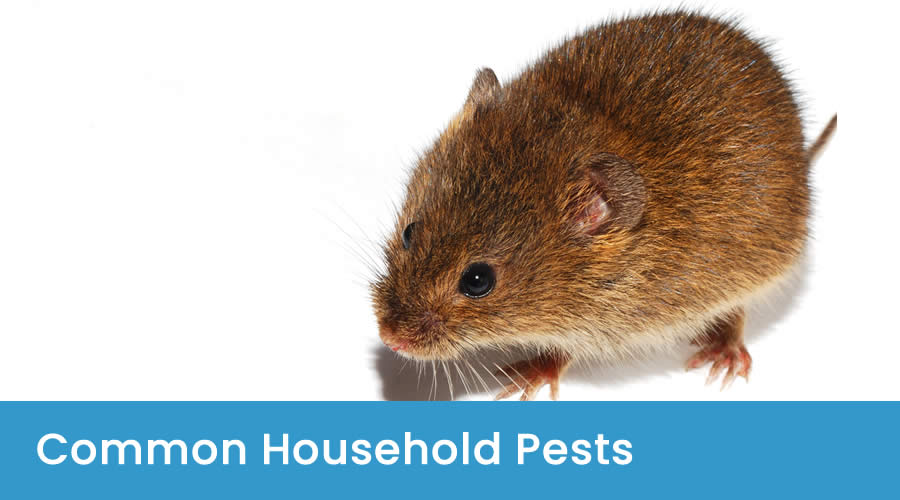
Australian homes attract a wide range of pests year-round. From kitchens and bathrooms to roof cavities and garden edges, pests move in for one simple reason: food, moisture, and shelter. Beyond being unpleasant, many species can damage property, contaminate surfaces, trigger allergies, and transmit diseases.
For residential infestations, early identifying of each pest is the most effective preventive step for any homeowner.
If pest activity is ignored, a small issue can quickly turn into a larger outbreak or an established colony that becomes harder (and more expensive) to remove. This guide covers the most common household bugs in Australia, what they threaten, and the most effective control options, DIY and professional.
Even a single infestation can spread quickly across connected areas of the home.
Quick Guide: 15 Common Pests in Australian Homes
1. Cockroaches
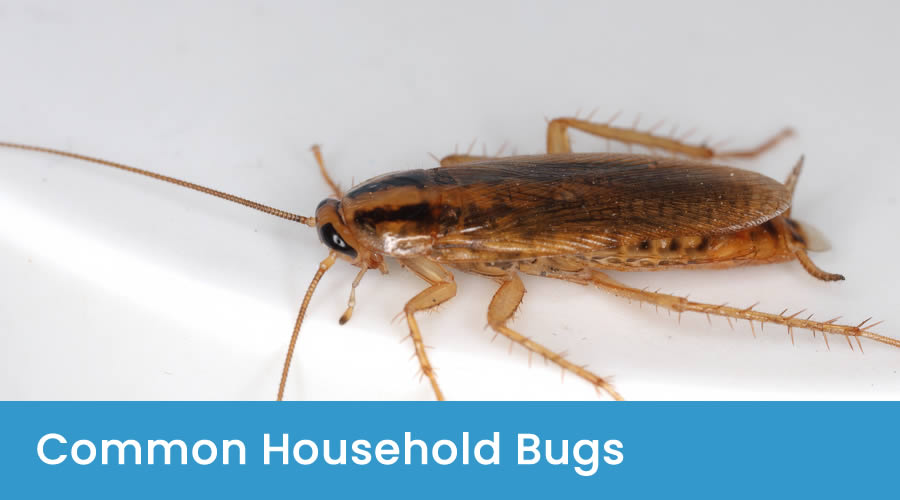
Cockroaches are one of the most common indoor pest problems in Australia. They contaminate food preparation areas and can worsen asthma and allergies. German cockroaches are especially difficult because they breed quickly and hide in tight, warm spaces like kitchens, bathrooms, and inside appliances.
A cockroach can carry salmonella and contribute to illnesses.
Control tips: eliminate food scraps, reduce moisture, seal gaps, and use baits. High roach activity often needs professional treatment for full knockdown and long-term prevention.
2. Ants
Ants are one of the most common household pests in Australia. They often enter homes in search of sweets, fats, pet food, and water. Once a food source is found, visible trails can quickly form from the nest to the entry point.
Common species found in Australian homes include:
- Black house ants
- Argentine ants
- Coastal brown ants
- Carpenter ants (Camponotus species)
- Fire ants (in affected regions)
Some species are mostly a nuisance, while others, such as carpenter ants, can cause structural damage. Large or established colonies can be difficult to eliminate without targeting the nest directly.
Control tips: Remove food sources, seal entry points, and use appropriate baiting systems. If ant activity keeps returning, professional pest control services may be required to locate and treat hidden nesting sites.
3. Rodents: Mice and Rats
Rodents chew wiring, insulation, and stored goods, and their droppings can spread illness. In Australian suburbs and rural areas, rats and mice can enter through surprisingly small gaps around pipes, vents, and eaves.
A rat can enter through openings that look far too small to be an access point.
Control tips: seal access points, remove nesting material, and use traps strategically. Heavy rodent activity is best handled by professionals to prevent recurrence and reduce health risks.
4. Spiders
Spiders are common in both indoor and outdoor areas of Australian homes. Many species are harmless and help control insect populations, but some can pose health risks.
Species commonly encountered in Australia include:
- Redback spiders
- Huntsman spiders
- Mouse spiders
- Trapdoor spiders
- White-tailed spiders
Spiders tend to settle in garages, sheds, roof voids, storage areas, and around your home where insects are present. Cluttered or undisturbed areas provide ideal hiding spots.
If a spider causes a sudden bite, keep the area safe and seek medical advice if symptoms worsen.
Control tips: Reduce insect activity, remove webs regularly, seal gaps around windows and doors, and declutter storage areas. If dangerous species are present or sightings are frequent, professional treatment improves safety and long-term control.
5. Bed Bugs
Bed bugs hide in mattresses, bed frames, furniture seams, and carpet edges. They spread through luggage, clothing, and second-hand furniture and can cause itchy bites and disrupted sleep. Many bed bug populations are difficult to eliminate with off-the-shelf sprays.
Control tips: early identification is crucial. Effective removal typically requires professional heat treatment and targeted products.
6. Termites
These are among Australia’s most destructive pests. Subterranean termites build hidden networks underground and enter timber structures silently. By the time property damage is visible, the problem may already be advanced.
They are especially damaging because they can stay hidden for long periods.
Control tips: regular inspections, moisture management, and termite barriers help reduce risk. Active termite activity requires urgent professional treatment to protect structural timber.
7. Fleas
Fleas are common in homes with pets and can remain active in carpets, bedding, and cracks in flooring. Their lifecycle makes them persistent, even if adult fleas seem to disappear temporarily.
Control tips: treat your dog or cat, vacuum thoroughly, wash fabrics on hot cycles, and address the source. Widespread flea outbreaks often require whole-home professional treatment.
8. Silverfish
Silverfish thrive in humid areas such as bathrooms, laundries, and cupboards. They feed on paper, cardboard, fabrics, and pantry items.
Control tips: reduce humidity, improve ventilation, and seal hiding spots. Persistent silverfish activity may require professional control, especially if they’re established in wall voids or roof areas.
9. Paper and European Wasps
They can be aggressive and sting repeatedly, making nests a serious safety concern, especially for children or anyone with allergies. Nests may be found under eaves, in wall cavities, trees, sheds, and roof spaces.
A bee is less likely to nest inside wall cavities, but stinging insects should still be handled with caution.
Control tip: do not attempt removal yourself. Wasp nest removal should be handled by licensed pest technicians for safety and compliance.
10. Possums
Possums commonly enter roof spaces in many Australian suburbs. They create loud scratching sounds at night and may damage insulation and wiring. Because possums are protected wildlife in Australia, removal must be done legally.
Control tips: use licensed handlers and install exclusion measures afterward to prevent re-entry.
11. Flies and Mosquitoes
House flies and blowflies contaminate surfaces and food, while mosquitoes can be a major issue in warm and coastal areas. Both are attracted to waste, stagnant water, and animal matter.
Control tips: improve sanitation, keep bins sealed, clean drains, remove standing water, and use fly screens. If breeding continues, targeted insect treatments may be required.
12. Moths
Moths may attack clothing (wool, silk, fur) or dry foods such as cereals, flour, grains, and more. Signs include holes in fabric, webbing in pantry goods, or larvae in stored products.
Control tips: airtight storage, deep cleaning, and proper disposal of affected items. Established moth activity may need professional treatment.
13. Pantry Pests (Weevils, Beetles, Stored Product Moths)
These pests infest dry foods and spread quickly once established.
Control tips: discard contaminated products, vacuum shelves and corners, wipe storage areas, and use sealed containers moving forward. For repeated outbreaks, professional inspection helps locate hidden sources.
14. Birds (Pigeons, Starlings, Mynas)
Bird nesting on roofs and in gutters can create sanitation issues, block drainage, and attract mites and other parasites.
Control tips: use bird spikes, netting, and exclusion methods. Ongoing bird pressure often requires professional-proofing solutions.
15. Carpet Beetles
They may damage textiles, stored goods, or timber depending on the species. They target natural fibres, while wood-borers can affect furniture and structural timber.
Control tips: detailed cleaning, storage changes, and targeted treatments. Severe beetle activity may require professional identification and control.
What Causes Pest Problems in Australian Homes?
Most pest issues start with one of these conditions:
- easy access points (gaps, vents, worn seals, roof entry)
- food scraps and unsealed pantry items
- moisture from leaks, poor drainage, or humid spaces
- clutter and stored materials (especially cardboard)
- overgrown gardens touching the home
Prevention Tips That Reduce Pest Activity
Use these steps to lower pest risk in Australian households:
- Seal entry points around doors, windows, pipes, vents, and eaves
- Store food properly in airtight containers
- Remove rubbish and compost correctly and keep bins sealed
- Fix leaks quickly and reduce damp areas
- Keep roof spaces and subfloors dry and clear
- Trim vegetation away from the house and remove clutter near walls
- Book routine inspections, especially for termites and rodents
DIY vs Professional Pest Control: When to Call the Experts
DIY can help for minor issues, but professional pest control service is recommended when:
- pest activity keeps returning after treatment
- you see signs of termites, rodents, bed bugs
- the problem involves roof spaces, wall cavities, or nesting sites
- there are health risks (bites, droppings, contamination)
- you want a long-term prevention plan, not just a temporary fix
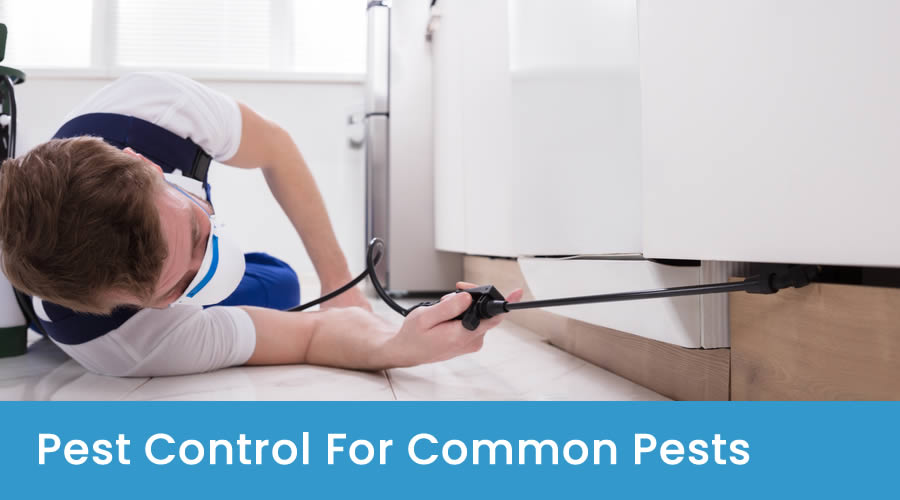
An expert can pinpoint hidden sources and select the right treatment approach for long-term results.
Licensed technicians use commercial-grade products, correct application methods, and targeted strategies to remove pests and reduce repeat outbreaks.
Need Effective Pest Management in Australia? Book a Local Inspection
If you’ve noticed droppings, scratching sounds, insect trails, musty odours, or damage to timber, it’s worth acting early. A fast inspection can prevent a small problem from becoming an expensive repair job.
Call now a licensed pest control professional for:
- general pest treatments (cockroaches, ants, spiders)
- rodent control and proofing
- termite inspections and management
- bed bug treatments
- wasp nest removal
- end-of-lease pest services (where required)
Conclusion: Protect Your Home With Early Action
Household pests are more than a nuisance, they can threaten hygiene, comfort, and property value. From destructive termites to disease-carrying rodents and contaminating insects, pest activity can escalate quickly when left untreated.
With early detection, consistent prevention, and professional treatment when needed, Australian homeowners can maintain a safer, cleaner, pest-free home.
If you want lasting results, book a local pest inspection and get a treatment plan tailored to your property.

Leave A Comment
You must be logged in to post a comment.